


The Middle East today faces profound uncertainties, yet the October 2025 ceasefire in Gaza has opened a window of opportunity. As the situation on the ground remains fragile, the international community is confronted with a critical question:
How can this ceasefire be transformed into sustainable progress toward lasting peace?
This panel will examine the risks and opportunities inherent in moving from a temporary ceasefire to a durable political process. Discussion will focus on pathways to enhance constructive engagement, strengthen negotiation frameworks, and cultivate the conditions required for long-term security, stability, and cooperation in the Israel–Palestine context.
Following an opening conversation between high-level speakers, the session will open the floor for a broader exchange on practical avenues to support peace negotiations.
Please note that the event will be held under Chatham House Rules.
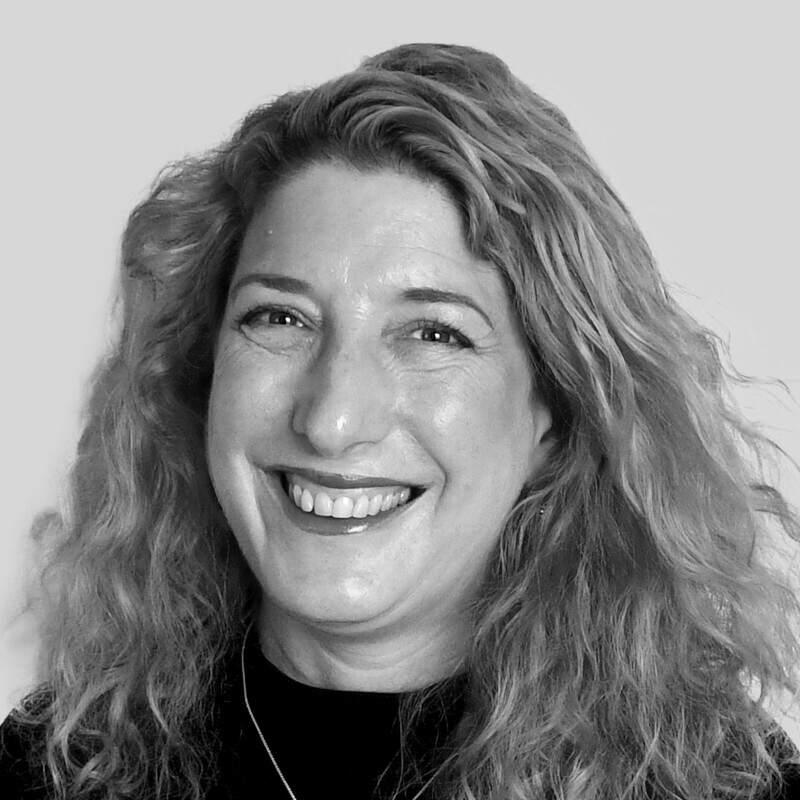


Dr. Gal Harmat, a Senior Fellow at swisspeace, specializes in Gender, Conflict, and Peace Analysis. With a Ph.D. in Gender Analysis of Peace Education and Dialogue Encounters from Nitra University and an M.A. in Gender and Peacebuilding from the UN-Mandated University for Peace, her focus is gender, intersectionality, human security and Israel/Palestine. Dr. Harmat has extensive experience as a resident professor at the Gender and Peace Building Program and leading the Department of Peace and Conflict Studies at UPEACE.
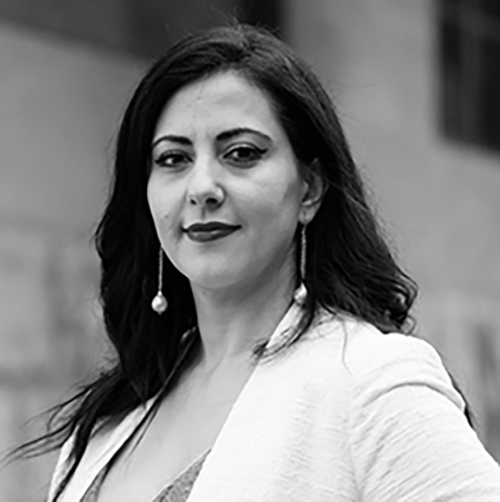
Hiba Served at the United Nations for 17 years in various leadership and expert roles at head quarters and in Arab States.Prior to founding P4P, Hiba served as Chief of the Humanitarian Action and Crisis Response Office of UN Women in Geneva. She also served as the UN Women Country Representative in Iraq, and Head of Arab States and Programme advisor in New York. Prior to UN Women, Hiba coordinated crisis prevention and recovery programmes with UNDP’s Crisis Bureau at headquarters in both Geneva and New York and, led programmes at the UNDP office in Jerusalem.

Negotiation expert Matthias Schranner was originally trained by the police as a lead negotiator for high-stakes situations. For the past 20 years, he and his team at the Schranner Negotiation Institute have been advising clients including the UN, global corporations and political parties in difficult negotiations.
He teaches the executive course series Negotiations on the Edge and is the author of books such as The Negotiator, Negotiations on the Edge and Costly Mistakes, and The Schranner Concept® as well as numerous articles and other publications.
Matthias Schranner advises business and government leaders in over 40 countries. His proprietary Schranner Concept® is used by numerous Fortune 500 companies worldwide to succeed in difficult negotiations.
Matthias Schranner serves as lecturer for negotiations at numerous universities.
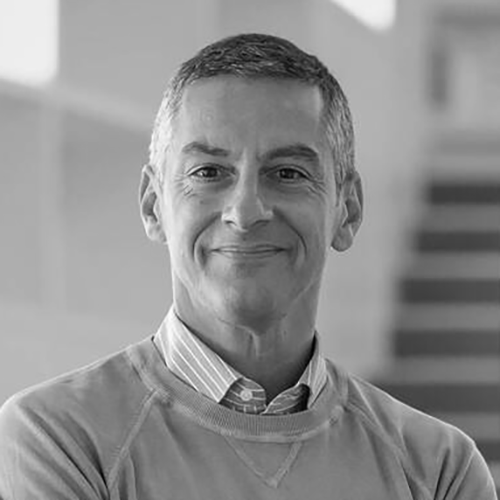
Associate professor (2011-2014) and full professor since 2014 at the Graduate Institute, Davide Rodogno served as head of the International History and Politics Department (2014-2017). Rodogno counts several academic publications among his works, and in 2012 the Kofi Annan Foundation mandated him to write a confidential report documenting the experience of the United Nations and League of Arab States Joint Special Envoy for Syria. More recently, Rodogno started a collaboration with the Museum of the Red Cross and co-funded a podcast start-up that collaborates with the Festival et Forum International des Droits Humains (FIFDH). Since October 2020 he is the Head of the Interdisciplinary Programs of the Graduate Institute.
17:00–17:30 – Arrival and welcome coffee
17:30–18:15 – Panel discussion
18:15–18:45 – Q&A
18:45–19:45 – Apéro
Text