



Over the past year, we’ve seen a clear shift in how negotiations are conducted globally. More dynamic, more interests-driven, and marked by a higher level of uncertainty. This raises an important question for future business leaders: Do Interests Matter More Than Values?
Building on our recent US-focused insights, we’re excited to host this keynote event in collaboration with VSUZH Impulsfabrik and the Negotiation Council Geneva. This complimentary event is supported by the Faculty of Business, Economics and Informatics and the Center for Crisis Competence.
Together, we integrate practical insights into an academic framework, equipping future negotiators with tactical tools they can apply in their everyday and professional negotiations. We’ll explore evolving negotiation dynamics and their implications, while revisiting the role of trust, relationships, and values.
Our keynote speakers, Matthias Schranner and Dr. Marzia Marastoni, will share insights from real negotiations, followed by an open discussion. Moderated by Chiara Wooldridge, with opening remarks by Fabio Falkenstein.


Negotiation expert Matthias Schranner was originally trained by the police as a lead negotiator for high-stakes situations. For the past 20 years, he and his team at the Schranner Negotiation Institute have been advising clients including the UN, global corporations and political parties in difficult negotiations.
He teaches the executive course series Negotiations on the Edge and is the author of books such as The Negotiator, Negotiations on the Edge and Costly Mistakes, and The Schranner Concept® as well as numerous articles and other publications.
Matthias Schranner advises business and government leaders in over 40 countries. His proprietary Schranner Concept® is used by numerous Fortune 500 companies worldwide to succeed in difficult negotiations.
Matthias Schranner serves as lecturer for negotiations at numerous universities.
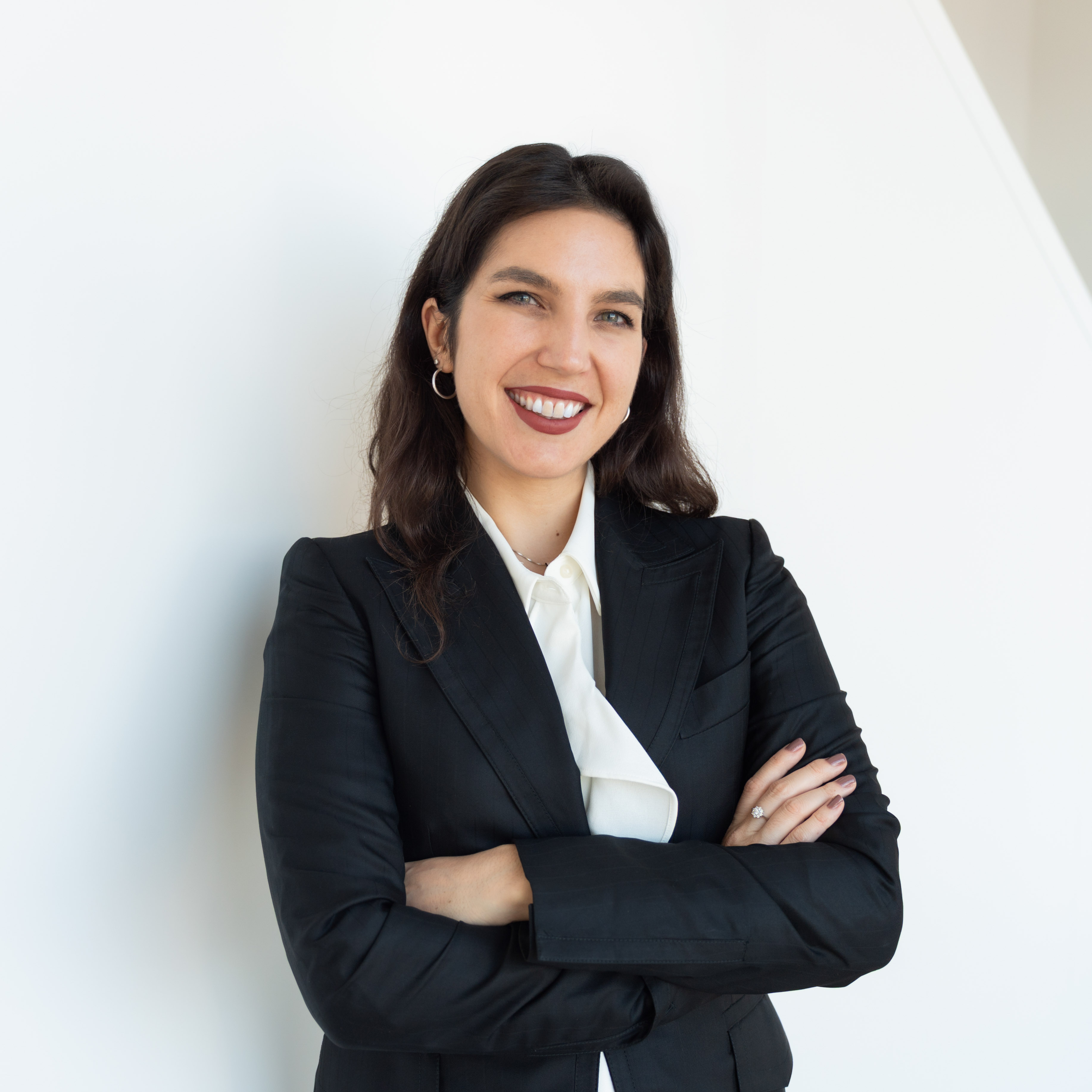
Dr. Marzia Marastoni is the Director of the Negotiation Council Geneva.She holds a PhD in International Law from the Geneva Graduate Institute, where her research focused on armed conflicts and humanitarian crises. Dr. Marastoni brings extensive experience in international affairs, including work with theUN, governments, and diplomats at the Human Rights Council. Earlier in her career, she was elected as a city councilor and actively engaged in regional and national politics.
Text